The Fascinating World of Card Games: Exploring the Intricacies and Variations
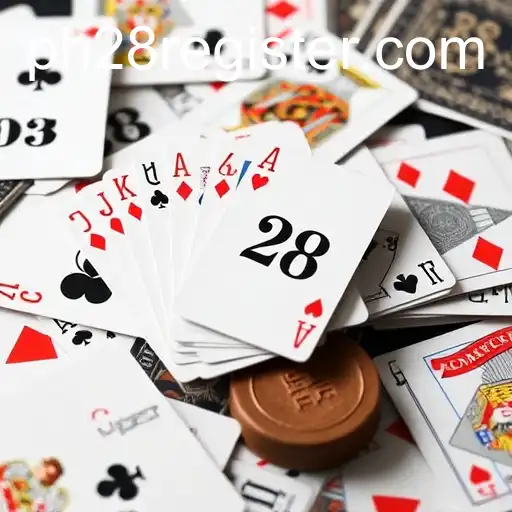
Card games have been an integral part of human culture for centuries, captivating players with their blend of strategy, luck, and skill. From the simplest of games played with a traditional deck of cards to intricate variations involving multiple decks and complex rules, card games offer something for everyone. The key to their longevity and popularity lies in their ability to adapt and evolve over time, making them endlessly engaging and versatile. One interesting keyword within this sphere is "PH28", which could represent anything from a specific card, a rule, or perhaps a storied location associated with card games.
A Brief History of Card Games
Card games are believed to have originated in China during the Tang dynasty, around the 9th century, though some historians contest this claim, suggesting origins elsewhere in Asia. Initially, these games were not just pastimes but also a medium for gambling. As trade routes expanded, card games spread to various parts of the world, evolving into the diverse array of games we recognize today.
Europe saw the introduction of playing cards around the 14th century, with decks that grew to resemble those used in modern times. The rise of card printing during the Renaissance further popularized card games, making them accessible to a broader audience. Card games became more than just an elite pastime, seeping into the fabric of social life across cultures.
Diverse Types of Card Games
The world of card games is as rich in variety as it is in history. Perhaps one of the most impressive aspects is the sheer diversity of games that can be played using what's essentially just a deck of cards. From children's games like "Go Fish" to mind-bending adult games such as "Bridge" and "Poker" — each carries its rules and appeal.
For instance, trick-taking games like „Bridge” and "Hearts" involve careful planning and an element of deception, where players aim to win specific "tricks" of cards. In contrast, matching games such as "Rummy" focus on forming sets, asking for strategic organization and attention to detail. Not to forget, shedding games like "Crazy Eights" and "Uno", which require players to discard all their cards by matching them with the last card played, ramp up the excitement by prioritizing agility and speed.
Particularly intriguing are collectible card games like "Magic: The Gathering" and "Pokémon TCG", where players build custom decks and engage in strategic battles. These games have spawned massive international communities, giving rise to competitive tournaments and collectible markets.
The Mystery of PH28 in the Card Game Universe
So how does the enigmatic keyword "PH28" fit into this expansive landscape? Let's ponder the possibilities: perhaps it is a special card with unique properties or a game variant developed under this code. It might also represent a notorious move or strategy that players are eager to learn. PH28 could be anything from an internal coding used in card production to a reference to a well-known card room or venue.
Due to the influence of card games in pop culture, PH28 could even symbolize a fictional element from literature, film, or TV series involving card games. As is the case with many unique identifiers within gaming, it beckons players to uncover its story and association.
Technological Innovations and Card Games
With the advent of technology, card games have embraced a new frontier — digitalization. Online platforms allow players from all over the globe to compete in real-time, transcending physical limitations and bringing convenience to the card gaming community. Digital versions are both accessible and versatile, introducing players to a wider variety of games.
Furthermore, digital platforms often offer tutorials, skill levels, and practice modes, helping novices learn strategies while challenging veterans with complex AI adversaries. The integration of AR and VR technologies also pushes boundaries, with virtual environments that provide immersive card gaming experiences like never before.
Card Games as a Social Connector
Beyond the thrill and challenge they present, card games have a unique ability to bring people together. Whether between friends on a game night or family gatherings during the holidays, card games act as social lubricants. They encourage interaction, communication, and friendly competition.
The communal aspect of card games is one of their most enduring qualities, serving as a bridge across cultures and generations. The act of dealing cards, sharing strategies, laughing over a close match, or lamenting an unexpected defeat fosters a sense of camaraderie and connection rarely found in other leisure activities.
Conclusion
The world of card games is one steeped in history and rich in diversity, offering a gateway to strategic thinking, creativity, and social interaction. Whether through traditional deck games or the lure of "PH28," the landscape of card games continues to captivate enthusiasts worldwide. With ever-evolving formats and digital innovations reshaping the way people play, card games remain as relevant today as they were centuries ago.